Italia·Destination guide · Southern Europe
Italy
41.9028° N · Southern Europe · Schengen
Italy requires identity verification — not just a document upload and a keybox.
Hotels and short-stay hosts must identify guests and report them through Alloggiati Web. CIN listing codes are national. Purely automated remote check-in without a visual identity match sits poorly against public-security law.
NextStay relevance · Italy
5 / 5
Essential
Art. 109 TULPS requires identity verification and Alloggiati Web reporting — keybox-only check-in without visual ID match is not enough.
At a glance · Italy
Identity
Art. 109 TULPS
Police
Alloggiati ≤ 24h
Listing
CIN on BDSR
Access
De visu check
Who this is for
What hotels and hosts actually need to know
Italian accommodation sits on two parallel tracks: public-security identification (Art. 109 TULPS + Alloggiati Web) and tourism transparency (national CIN via BDSR). Regions and cities layer tourist tax and local ordinances. Self check-in is still possible when identity is verified visually — in person or through suitable live video tools — before access is released.
Front desk workflows map cleanly onto Art. 109: check every guest’s document, then transmit Alloggiati data on time. CIN/BDSR duties apply where the property is a tourist accommodation structure.
- 01Identify all guests with a valid identity document — not only the booking lead
- 02Transmit Alloggiati Web schedules within 24 hours (6 hours for stays under 24 hours)
- 03Obtain Questura credentials for Alloggiati Web before operating
- 04Display and publish CIN where required for the structure type
Chapter · Identity
Identity under Art. 109 TULPS
Italian public-security law allows accommodation only to persons who present a suitable identity document — and requires the provider to communicate guest particulars to the police.
Statute
“Accommodation may be given exclusively to persons provided with an identity card or other document suitable to prove identity under the rules in force…”
- 01
- 02
- 03
Chapter · Alloggiati
Alloggiati Web & the reporting clock
Guest schedules are transmitted electronically through Alloggiati Web, the State Police portal — not paper hand-ins to the Questura.
- 01
- 02
What to send
Typical required fields include arrival date, length of stay, surname, name, sex, date and place of birth, citizenship, and type/number/place of issue of the identity document.
- 03
- 04
Chapter · CIN
CIN & the national accommodation database
From 2025, tourist accommodation and short-stay listings operate under a National Identification Code (CIN) issued through the Ministry of Tourism’s BDSR database.
- 01
- 02
- 03
Chapter · EU layer
EU law that sits underneath
Italy’s TULPS and CIN rules sit inside the same European stack hosts meet elsewhere — Schengen lodging purposes, GDPR, and the 2024 short-term rental data framework.
- 01
- 02
GDPR (Regulation (EU) 2016/679)
Identity and document data are personal data. Collect what the legal basis requires, inform guests, secure transmission to Alloggiati, and respect retention limits on your own systems.
- 03
Remote arrival · Still the law
Self check-in after the Consiglio di Stato
Remote arrival is not banned. Automated keybox check-in without a visual identity match is the problem. Live visual confirmation — in person or via suitable video tools at the moment of entry — is the compliant path discussed in 2025 case law.
De visu means a real identity match
Council of State ruling n. 9101/2025 (21 November 2025) upholds the Interior Ministry’s reading of Art. 109: providers must verify correspondence between the person entering and the identity document — not merely collect a file upload.
Technology can help — if it verifies live
The judgment notes that de visu need not always mean the host standing at the door: video-link devices capable of confirming identity hic et nunc (for example digital peepholes or suitable live video flows) may satisfy the security ratio. Pure code/keybox release after a document email does not.
Then Alloggiati — on the clock
Once guests are identified, Alloggiati Web filing still runs on the 24-hour / 6-hour clocks. Verification and reporting are sequential duties, not alternatives.
Municipal overlays
Cities such as Florence have pursued local keybox / façade rules for décor and safety. National Art. 109 duties apply regardless — local ordinances can add friction.
Municipal & tax layers
CIN and Alloggiati are national. Imposta / contributo di soggiorno is municipal — Rome, Florence and Venice each publish their own tables, and Venice also runs a separate day-visitor access fee.
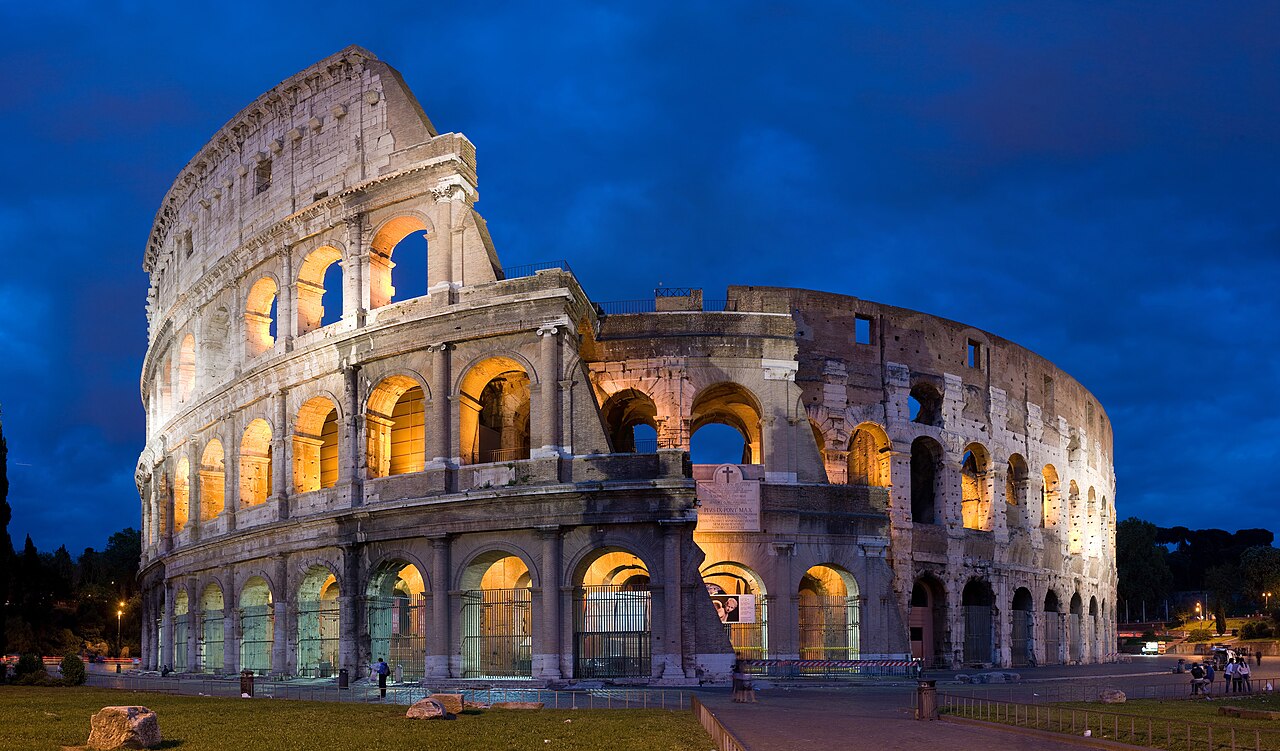
Rome — contributo di soggiorno
01Rome — contributo di soggiorno
Roma Capitale's contributo di soggiorno (Deliberazione di Giunta Capitolina n. 255/2023, applied from 1 October 2024) is charged per person by structure type for a maximum of 10 consecutive nights in the same establishment. Published bands include hotels €4–€10 by star; case e appartamenti per vacanze €6 (categoria 1) / €5 (categoria 2); B&B €6; guest-house categories €5–€7. Confirm the live table and exemptions with Roma Capitale before quoting guests.

Florence — imposta di soggiorno
02Florence — imposta di soggiorno
From 1 February 2025 (Deliberazione 535/2024), Firenze charges €6 per person per night for case vacanze, locazioni turistiche, affittacamere and B&B, for a maximum of 7 consecutive nights. Hotel / RTA bands run €3.50–€8 by star. Confirm the current table on the Comune portal before quoting.

Venice — overnight tax + contributo di accesso
03Venice — overnight tax + contributo di accesso
Overnight guests still owe Venezia's municipal imposta di soggiorno (confirm the current structure/season table with the Comune). Separately, the contributo di accesso applies to day visitors over 14 on 60 designated 2026 dates (3 Apr–26 Jul, 08:30–16:00; €5 early / €10 late payment). Guests overnighting in registered accommodations in the municipality are exempt from the access fee but must still obtain the exemption QR via cda.ve.it — do not confuse that day fee with Alloggiati or the overnight tourist tax.

Regional CIR then CIN + short-let tax
04Regional CIR then CIN + short-let tax
Where a region or autonomous province already runs a CIR, hosts typically obtain CIR first, then CIN via BDSR; otherwise request CIN at the start of activity. Short-rental income often uses cedolare secca or ordinary IRPEF; platforms may withhold as substitute taxpayers. Use a commercialista for the filing that fits your case.
This is the law · Here is the reference
Sources & references
Primary statutes, EU instruments and competent authorities. Open the link when your property is at stake.
- [01]Local lawArt. 109 TULPS — accommodation & identity
Primary public-security duty to house only identified guests and notify police.
- [02]AuthorityAlloggiati Web — Polizia di Stato portal
Official electronic channel for guest schedule transmission.
- [03]AuthorityAlloggiati Web FAQ (Polizia di Stato)
Identity document duty, short-stay scope, and data fields.
- [04]AuthorityQuestura di Bari — Alloggiati Web guidance
24h / 6h transmission clocks and Art. 17 TULPS sanction reference.
- [05]AuthorityQuestura di Oristano — short-let extension
Art. 19-bis L. 132/2018 bringing sub-30-day lets under Art. 109.
- [06]AuthorityMinistry of Tourism — BDSR / CIN FAQ
National identification code duties for listings and structures.
- [07]Local lawDecree-Law 145/2023 (CIN framework)
Statutory basis for the national accommodation identification code.
- [08]GuidanceConsiglio di Stato, sez. III, 21 Nov 2025, n. 9101
De visu identity match required; pure remote keybox without visual check rejected; live video tools discussed as possible.
- [09]AuthorityInterior Ministry circular prot. n. 38138 (18 Nov 2024)
Police interpretation censuring automated document+keybox flows without visual verification — text recounted and upheld in substance by CdS 9101/2025 (primary circular PDF not published as a stable public URL).
- [10]Local lawRoma Capitale — Deliberazione Giunta Capitolina n. 255/2023
Contributo di soggiorno tariff table (hotels €4–€10; CAV €5–€6; max 10 consecutive nights).
- [11]AuthorityRoma Capitale — FAQ attività ricettive / contributo di soggiorno
Municipal FAQ confirming the tax, 10-night cap and Delibera 255/2023 footing.
- [12]AuthorityCittà di Firenze — Imposta di soggiorno (informati)
Comune portal noting Delibera 535/2024 tariffs from 1 February 2025.
- [13]AgencyFeel Florence — Tourist tax 2025 table
Published €6 band for CAV / locazioni turistiche / B&B and hotel star bands (€3.50–€8).
- [14]AuthorityComune di Venezia — Contributo di Accesso
2026 day-visitor access fee framework; overnight guests in municipal accommodations are exempt with registration.
- [15]Authoritycda.ve.it — Contributo di Accesso FAQ
2026 dates, €5 early / €10 late payment, and exemption rules for overnight guests.
- [16]EU lawConvention Implementing the Schengen Agreement — Art. 45
EU-layer lodging / guest-record purpose.
- [17]EU lawGDPR — Regulation (EU) 2016/679
Personal-data rules for identity and document processing.
- [18]EU lawRegulation (EU) 2024/1028 — short-term rental data
EU framework for STR registration data and platform sharing (from 20 May 2026).
- [19]AgencyEuropean Commission — STR transparency rules
Plain-language explanation of the May 2026 framework.
After the law · The product
Where NextStay fits
After the law is clear: we structure verification before access — so Italian hosts can run remote-friendly arrivals without skipping Art. 109 identity match or Alloggiati-ready records.
01
Verification before the key
Online check-in collects guest details and holds door instructions until the stay is ready — matching Italy’s need to identify before accommodation is completed.
02
Every adult on the reservation
Flows push beyond a single booking name — aligned with Alloggiati expectations for all guests in the party.
03
Host visibility without desk chaos
Hotels and individual hosts see who completed, who is blocked, and when access can release — including late Roman and Venetian arrivals.
04
Destination guidance in the workspace
This Italy dossier stays attached to the market — CIN, Alloggiati clocks, and de visu self check-in — not a generic EU footnote.
Cities in Italy
Rome
High volume and late arrivals make pre-arrival identity capture and controlled access release essential before keys go out.
Alloggiati readiness · Late arrivals · Access control
Milan
Business and leisure mixes well with timed arrivals — still under the same Art. 109 and CIN rules as leisure cities.
Business stays · CIN on listings · Adult guest capture
Florence
Historic centre logistics plus local keybox / façade sensitivity — verify identity before remote access.
Historic centre · De visu check-in · House rules
Venice
Complex arrival logistics increase the value of clear pre-arrival verification and step-by-step access guidance.
Arrival logistics · Alloggiati clocks · Guest guidance
NextStay provides operational tools and general regulatory information, not legal advice. Hosts remain responsible for confirming the rules that apply to their accommodation in Italy. Research last verified .