România·Destination guide · Eastern Europe
Romania
44.4268° N · Eastern Europe · Schengen
Romania still runs guest check-in on the fișa — and foreign guests in tourist lodging trigger a 24-hour police clock.
Accommodation providers in structuri de primire turistice must complete the fișa de anunțare a sosirii și plecării under HG 237/2001 (and the carte de imobil where that rule applies). Separately, OUG 194/2002 art. 12 requires hotels and other amenajări turistice to communicate foreign-guest data to the territorial police within 24 hours. Classification (certificat de clasificare), municipal taxa specială pentru promovarea turistică, and ANAF short-stay fiscal records sit on top — they are not substitutes for the guest form.
NextStay relevance · Romania
5 / 5
Essential
HG 237/2001 requires the fișa de anunțare a sosirii și plecării for guests in structuri de primire turistice; OUG 194/2002 art. 12 adds a 24-hour police communication duty for foreign guests in hotels and similar tourist lodging — on top of classification / municipal taxa de promovare turistică and ANAF short-stay records.
At a glance · Romania
Guest form
Fișa sosire/plecare
Foreigners
Police ≤ 24h
Licence
Clasificare
Bucharest tax
10 lei / night
Who this is for
What hosts and hotels actually need to know
Romanian short-stay compliance is form-and-authority heavy, not a soft platform habit. HG 237/2001 (Normele privind accesul, evidența și protecția turiștilor) makes the fișa de anunțare a sosirii și plecării — completed from identity documents at arrival — the core guest-record duty inside classified and other lodging structures; failing to draw up the fișa (or the carte de imobil, după caz) is an expressly listed contravenție. For foreign nationals (străini) staying in hotels or other tourist facilities, OUG 194/2002 art. 12 shifts the check-in formalities to the property administration, which must communicate the required data to the competent territorial police within 24 hours (and produce them for IGI / IGPR on request). Private hosts who lodge a foreigner outside that hotel track still have the 3-day police-notification duty under the same article. Structuri de primire turistice obtain a certificat de clasificare under OG 58/1998 and HG 1267/2010 (methodological norms via Ordin 65/2013). Taxa specială pentru promovarea turistică is municipal under Codul fiscal art. 484 — Bucharest fixed 10 lei/noapte/turist for 2026 (HCGMB 516/2025); Brașov and Cluj-Napoca set their own rates. Natural-person short lets of 1–7 rooms are ANAF-tracked (fișa de ocupare a capacității de cazare; Declarație unică). A MEDAT draft would eventually push guest evidence into a national SIT platform — as of this review it remains a proiect, not a substitute for HG 237 / OUG 194 duties already in force. Romania is a full Schengen member: air/sea checks lifted 31 March 2024; land checks lifted 1 January 2025.
Front desk or digital, the duty is the same: complete the fișa from identity documents at check-in, communicate foreign-guest data to police within 24 hours, and collect the municipal tourism-promotion tax.
- 01Complete the fișa de anunțare a sosirii și plecării (and carte de imobil where applicable) for guests under HG 237/2001
- 02For foreign guests in hotels / amenajări turistice: communicate required data to the territorial police within 24 hours (OUG 194/2002 art. 12)
- 03Hold a valid certificat de clasificare for the structure type under HG 1267/2010 / Ordin 65/2013
- 04Collect and remit taxa specială pentru promovarea turistică at the primaria rate (Bucharest: 10 lei/noapte/turist for 2026)
Chapter · Fișa
Fișa de anunțare a sosirii și plecării
HG 237/2001 (Normele privind accesul, evidența și protecția turiștilor în structuri de primire turistice) requires lodging structures to record guests on the arrival/departure form — the practical check-in identity gate for Romanian stays.
Statute
“Nerespectarea obligației privind întocmirea fișei de anunțare a sosirii și plecării și completarea cărții de imobil, după caz.”
- 01
Complete the fișa at arrival
Administrators of structuri de primire turistice with accommodation functions must ensure guests are taken into evidence on the statutory fișa de anunțare a sosirii și plecării, filled from identity documents at the moment of arrival. Completing the carte de imobil applies după caz under the same norms. Skipping the form is an expressly sanctioned contravenție under HG 237/2001.
- 02
Identity data before access
The fișa is an identity-and-stay record, not a marketing preference. Capture the guest's statutory identity fields from a valid ID before releasing keys, codes or lockbox instructions — a passport photo alone without a completed fișa is not the duty the decree describes.
- 03
Keep records ready for authority request
HG 237/2001 also frames tourist protection and limits on disclosing stay information except when required by competent Ministry of Interior officers. Treat completed fișe as inspection-ready records for police / control actions — not as optional CRM notes.
- 04
SIT draft is not yet the operating rule
MEDAT published a proiect de HG amending HG 237/2001 to introduce a national Sistem Informațional pentru Turism (SIT). As of this review that amendment remains a draft in public consultation — do not treat SIT enrolment as a substitute for the in-force fișa / police duties until a Monitorul Oficial text is published and binding.
Chapter · Police
OUG 194/2002 — foreign guests & the 24-hour clock
Romania's foreigners regime adds a separate police-communication duty when străini stay in hotels or other tourist facilities — distinct from the HG 237 fișa itself.
Statute
“În situația cazării în hoteluri sau în alte amenajări turistice, străinul va îndeplini formalitățile de luare în evidență la administrația locului respectiv care, în termen de 24 de ore, va comunica datele necesare organului de poliție competent teritorial.”
- 01
Hotels & tourist facilities — 24 hours
When a foreign national (străin under OUG 194/2002) is accommodated in a hotel or other amenajare turistică, check-in formalities run through the property administration, which must communicate the required data to the competent territorial police within 24 hours. The same data must also be presented to IGI and IGPR officers on request (art. 12 (3)).
- 02
Private hosting — 3 days
Outside the hotel / tourist-facility track, art. 12 (1) requires the foreigner and the person hosting them to notify the territorial police within 3 days of entry / hosting. Do not assume the hotel 24-hour channel covers a private non-tourist let — confirm which track applies to the property.
- 03
Chapter · Licence
Classification & tourism authorisation
OG 58/1998 organises tourism activity. HG 1267/2010 and Ordin 65/2013 set how structuri de primire turistice obtain a certificat de clasificare from the central tourism authority.
- 01
Certificat de clasificare
HG 1267/2010 requires structuri de primire turistice — regardless of ownership — to be classified by constructive characteristics, equipment and services. The central tourism authority issues the certificat de clasificare on a standardised own-responsibility declaration plus complete documentation under the methodological norms (Ordin 65/2013).
- 02
Apartments & rooms in the tourism circuit
Classification norms cover hotels, pensions, hostels and apartments / rooms for rent in family dwellings among other structure types. Operating tourist lodging without the correct classification paperwork is a tourism-authorisation gap — confirm the unit's type with the central tourism authority before advertising at scale.
- 03
Chapter · ANAF
Short-term rental fiscal track
Natural persons letting 1–7 rooms on short stays sit under Codul fiscal cedarea folosinței bunurilor rules — with a mandatory occupancy sheet and Declarație unică, separate from tourism guest forms.
- 01
1–7 rooms — short-term regime
ANAF guidance for 2026 income: short-term letting of 1–7 rooms in personal dwellings (including via online platforms) is treated as income from cedarea folosinței bunurilor. Net income uses a 30% forfait on gross receipts (platform commissions excluded from gross); income tax is 10% of net. Above 7 rooms in a fiscal year, income is reclassified as activități independente under art. 68³.
- 02
Fișa de ocupare a capacității de cazare
Contributors who earn accommodation or short-term room-let income must complete and keep the fișa de ocupare a capacității de cazare (model OPANAF 381/2026 for activity from 2026), recording occupant identity data and exact occupancy dates per room/space. This ANAF sheet is a fiscal evidence duty — distinct from the HG 237 tourist fișa, though both need guest identity.
- 03
Declarație unică
Declare the income (and any CASS due under the 6/12/24 minimum-wage ceilings) via Declarație unică (D212) by 25 May of the year after the income year. Platform DAC7 / F7000 reporting increases ANAF visibility of undeclared short lets — keep occupancy sheets aligned with declared amounts.
Chapter · EU layer
EU law that sits underneath
Romania's fișa, police communication and classification sit inside the same European stack hosts meet elsewhere — full Schengen membership, GDPR, and the 2024 short-term rental data framework.
- 01
Schengen — full member since 1 January 2025
Air and sea internal-border checks with Schengen states were lifted on 31 March 2024 (Council Decision 2024/210). Land internal-border checks with and between Bulgaria and Romania were lifted on 1 January 2025 (Council decision of 12 December 2024). Romania is a full Schengen member as of that date. Lodging guest-record purposes still sit under Schengen Convention Art. 45 logic — national fișa / police channels implement that public-security layer.
- 02
GDPR (Regulation (EU) 2016/679)
Fișa fields, police-communication data and ANAF occupancy sheets are personal data. Collect what the legal basis requires, inform guests, secure storage and transmission, and respect retention limits on your own systems.
- 03
Short-term rental data — Regulation (EU) 2024/1028
From 20 May 2026, where Member States operate STR registration/data systems, platforms work through harmonised registration numbers and activity reporting. Romania's classification numbers and any future SIT registration should be read against that transparency direction — confirm national implementing acts as they appear.
Remote arrival · Still the law
Self check-in under Romanian rules
Remote arrival is common in Bucharest apartments and Brașov / Cluj city stock. The compliance gate is capturing guest identity data for the fișa (and any OUG 194 / ANAF record) before access is released — police communication and tax remittance run on their own clocks afterward.
Identity before the key
Build fișa-ready identity capture into the check-in flow itself — door codes or lockbox instructions unlock only after statutory guest fields are complete from a valid ID. A photo upload without a completed arrival/departure record is not enough.
Police clock for foreign guests
When the stay is in a hotel or other amenajare turistică and the guest is a străin under OUG 194/2002, the administration still owes territorial police communication within 24 hours of taking the guest into evidence. Capture data early enough that the 24-hour window is workable for late arrivals.
ANAF occupancy is a separate sheet
Natural-person hosts also keep the fișa de ocupare a capacității de cazare with occupant identity and dates. Align self check-in data so both the tourism fișa and the ANAF sheet can be completed without a second scramble.
Municipal tax at checkout
Collect taxa specială pentru promovarea turistică at the primaria rate (Bucharest 10 lei/noapte/turist for 2026 under HCGMB 516/2025) and remit on the local decont calendar — identity capture and tax remittance are sequential duties.
Municipal & tax layers
Guest forms and classification are national. Taxa specială pentru promovarea turistică under Codul fiscal art. 484 is set by each primaria — Bucharest, Brașov and Cluj-Napoca already diverge for 2026.

Bucharest — 10 lei / night (2026)
01Bucharest — 10 lei / night (2026)
HCGMB nr. 516/23.12.2025 institutes a taxa specială pentru promovarea turistică of 10 lei/noapte/turist for 2026, collected when guests are taken into evidence (or by platforms / agencies that invoice the stay). Providers file a monthly declarație-decont and remit to the sector Direcție de Impozite și Taxe Locale by the 10th of the following month. Confirm any exemption practice with the sector primaria rather than assuming a national carve-out.

Brașov — 7 + 5 lei / night (2026)
02Brașov — 7 + 5 lei / night (2026)
HCL Brașov nr. 1142/22.12.2025 sets taxa specială pentru promovare turistică at 7 lei/noapte/turist and taxa specială de salvamont at 5 lei/noapte/turist for 2026 (12 lei combined per tourist-night in the municipality, including Poiana Brașov). Collect and remit per the primaria regulations — do not reuse the Bucharest flat 10 lei figure.

Cluj-Napoca — 0.5% of stay (2026)
03Cluj-Napoca — 0.5% of stay (2026)
HCL Cluj-Napoca nr. 760/2025 sets the taxa specială pentru promovarea turismului at 0.5% of the accommodation tariff (VAT excluded) per day of stay from 1 January 2026 (updating the earlier HCL 1015/2018 framework). Confirm remitters, exemptions and the monthly decont with Primăria Cluj-Napoca before quoting guests.
This is the law · Here is the reference
Sources & references
Primary statutes, EU instruments and competent authorities. Open the link when your property is at stake.
- [01]Local lawHG nr. 237/2001 — Norme acces / evidență / protecție turiști
Primary norms requiring the fișa de anunțare a sosirii și plecării (and carte de imobil după caz); listed contravenții for non-completion.
- [02]Local lawOUG nr. 194/2002 — art. 12 (găzduire străini)
3-day police notice for private hosting of foreigners; 24-hour police communication by hotel / tourist-facility administrations; produce data for IGI / IGPR on request.
- [03]AuthorityInspectoratul General pentru Imigrări (IGI)
May request foreign-guest lodging data under OUG 194/2002 art. 12 (3), alongside territorial police.
- [04]Local lawOG nr. 58/1998 — organizarea activității de turism
Framework ordinance for tourism organisation and authorisation in Romania.
- [05]Local lawHG nr. 1267/2010 — certificate de clasificare
Classification certificates for structuri de primire turistice issued by the central tourism authority.
- [06]Local lawOrdin nr. 65/2013 — norme metodologice clasificare
Methodological norms for classification certificates, tourism licences and brevets.
- [07]Agencyturism.gov.ro — authority portal
Central tourism authority guidance and classification / authorisation orientation.
- [08]Local lawLegea nr. 227/2015 — Codul fiscal
Income taxation framework for cedarea folosinței bunurilor / short-term room lets and related declarations.
- [09]Local lawCodul fiscal — art. 484 (taxe speciale locale)
Legal basis for municipal special taxes including taxa specială pentru promovarea turistică.
- [10]AuthorityANAF — închiriere pe termen scurt 1–7 camere (2026)
Official ANAF guidance: 30% forfait, 10% tax, CASS ceilings, Declarație unică by 25 May.
- [11]Local lawOPANAF nr. 381/2026 — fișa de ocupare a capacității de cazare
Approved model/content of the occupancy sheet for accommodation / short-term room-let income from 2026 (MO 250/31.03.2026).
- [12]AuthorityANAF — formular fișa de ocupare (OPANAF 381/2026)
PDF form and completion instructions for occupant identity and occupancy dates.
- [13]AuthorityHCGMB nr. 516/2025 — taxa promovare turistică București 2026
10 lei/noapte/turist; monthly decont to sector DITL by the 10th; platforms/agencies may collect instead.
- [14]AuthorityHCL Brașov nr. 1142/2025 — taxe speciale 2026
7 lei/noapte/turist promovare turistică + 5 lei/noapte/turist salvamont.
- [15]AuthorityHCL Cluj-Napoca nr. 760/2025 — taxa promovare turism 2026
0.5% of accommodation tariff (excl. VAT) per day of stay from 1 January 2026.
- [16]GuidanceMEDAT — proiect HG modificare HG 237/2001 (SIT)
Draft only: proposed national Sistem Informațional pentru Turism. Not treated here as in-force obligation.
- [17]EU lawEuropean Commission — Romania/Bulgaria full Schengen (1 Jan 2025)
Confirms land-border checks lifted 1 January 2025 after air/sea lifting on 31 March 2024.
- [18]AuthorityMAI — Schengen Romania timeline
National timeline: air/sea 31 Mar 2024; land 1 Jan 2025.
- [19]EU lawConvention Implementing the Schengen Agreement — Art. 45
EU-layer lodging / guest-record purpose.
- [20]EU lawGDPR — Regulation (EU) 2016/679
Personal-data rules for identity and document processing.
- [21]EU lawRegulation (EU) 2024/1028 — short-term rental data
EU framework for STR registration data and platform sharing (from 20 May 2026).
- [22]AgencyEuropean Commission — STR transparency rules
Plain-language explanation of the May 2026 framework.
After the law · The product
Where NextStay fits
After the law is clear: we build guest identity capture into the check-in gate — so Romanian hosts can run remote-friendly arrivals without skipping the fișa or missing the police / tax clocks.
01
Identity before the key
Online check-in collects the guest fields hosts need for the fișa de anunțare (and related police / ANAF records) before door instructions unlock.
02
Police-ready stay records
Structured arrival data is ready for the 24-hour territorial-police communication window on foreign guests in tourist lodging — without a last-minute scramble.
03
Host visibility without desk chaos
Hotels and individual hosts see who has completed identity capture, who is blocked, and when access can release — including late Bucharest and mountain-city arrivals.
04
Destination guidance in the workspace
This Romania dossier stays attached to the market — fișa, OUG 194, clasificare, ANAF occupancy and primaria tax — not a generic EU footnote.
Cities in Romania

Bucharest
High remote-arrival volume plus HCGMB 516/2025's 10 lei/noapte/turist tourism-promotion tax make fișa-ready identity capture essential before keys go out.
Fișa at check-in · Police ≤ 24h · 10 lei tax
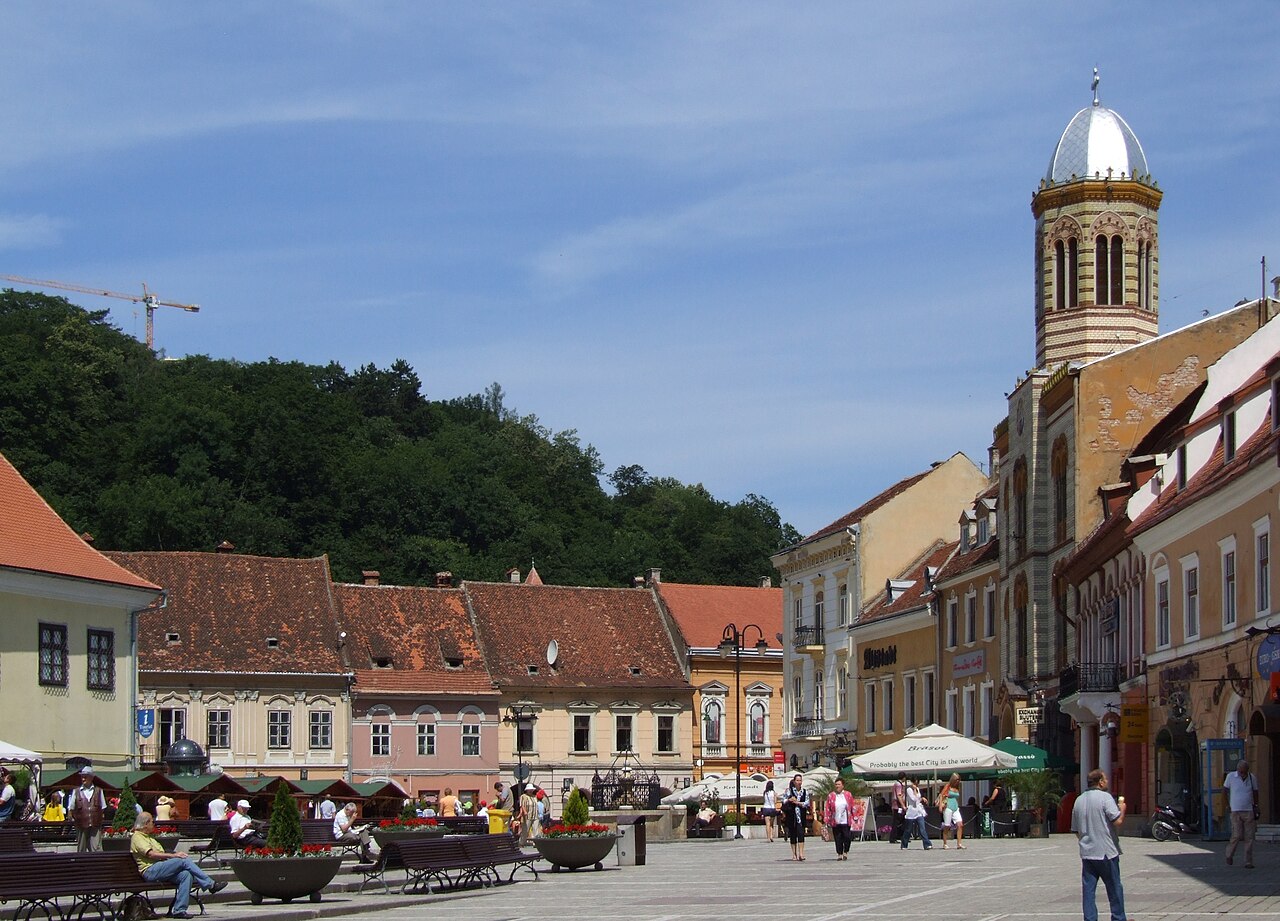
Brașov
Mountain and old-town peaks reward timed arrivals with completed guest forms — confirm Brașov's 7+5 lei special taxes rather than the Bucharest flat rate.
Mountain arrivals · Local tax 12 lei · Fișa / police

Cluj-Napoca
Year-round city apartments need the same national fișa / police stack — collect Cluj's 0.5% tourism-promotion tax (HCL 760/2025) rather than a fixed-lei capital rate.
City apartments · 0.5% tax · ANAF occupancy
NextStay provides operational tools and general regulatory information, not legal advice. Hosts remain responsible for confirming the rules that apply to their accommodation in Romania. Research last verified .